
Ayurveda views health as a delicate balance of mind, body, and spirit. For women, this ancient science emphasizes care tailored to their unique physiological and emotional needs. Ayurveda identifies three doshas—Vata, Pitta, and Kapha—that influence an individual’s health. Women’s health challenges, whether related to menstruation, pregnancy, or menopause, can often be traced to an imbalance in these doshas.
Common Health Challenges Women Face
Hormonal Imbalances
Issues like irregular menstrual cycles, PCOS, and mood swings can be linked to hormonal fluctuations.Stress and Fatigue
The dual roles of work and family often leave women feeling drained.Reproductive Health Concerns
Conditions like infertility, painful periods, or complications during pregnancy can impact overall well-being.Bone Health
Osteoporosis and joint pains are common as women age, particularly post-menopause.Digestive Issues
Bloating, indigestion, and poor gut health are common complaints.
How Ayurveda Helps Women Stay Healthy
Ayurveda addresses women’s health holistically, using natural remedies, diet, lifestyle adjustments, and therapies to restore balance. Here’s how:
Menstrual Health
- Ashoka (Saraca asoca): Helps regulate menstrual cycles and reduce cramps.
- Shatavari (Asparagus racemosus): Nourishes the reproductive system and supports hormonal balance.
Stress Management
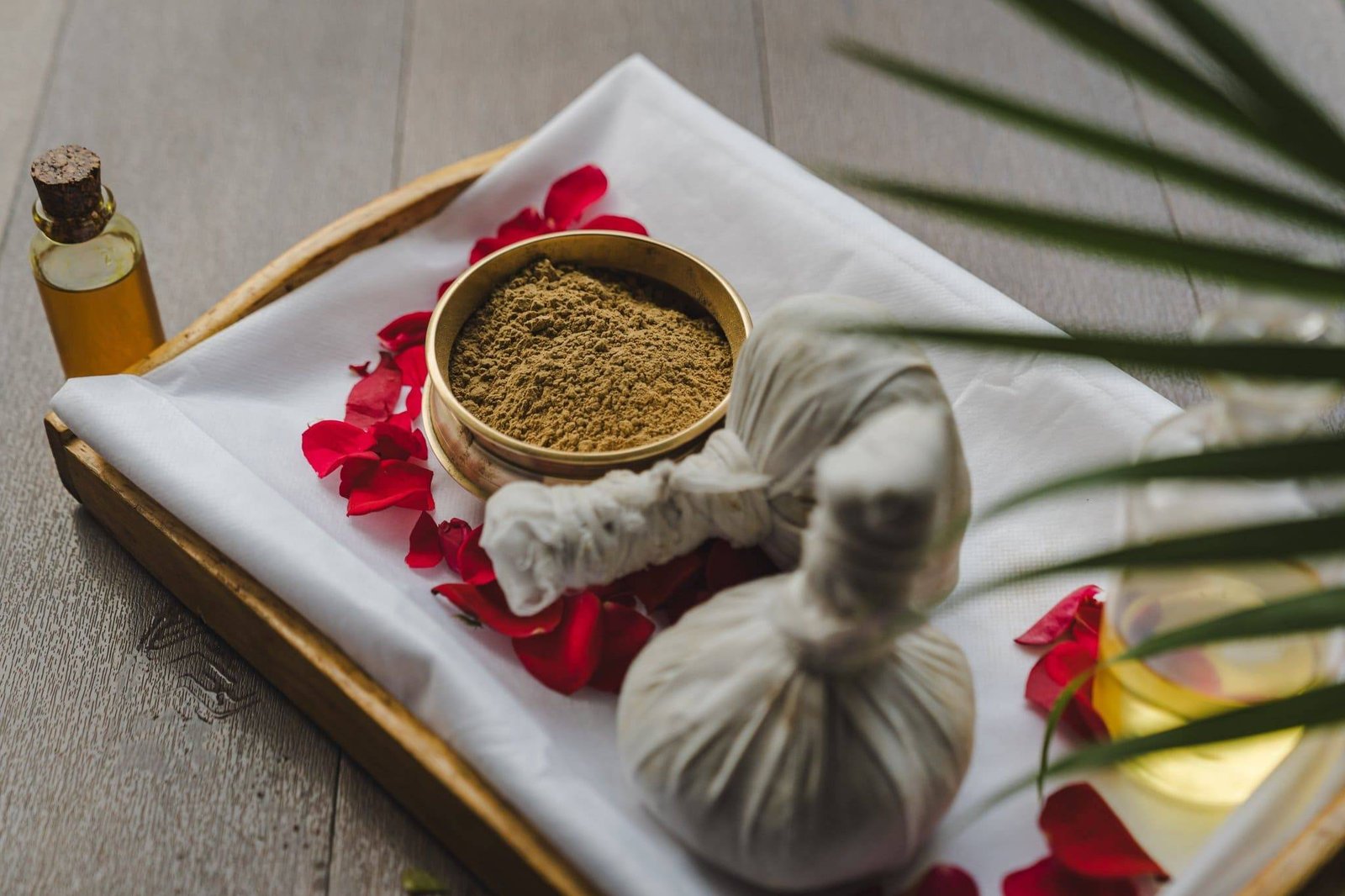
- Abhyanga (Oil Massage): Relieves stress and promotes relaxation.
- Ashwagandha: An adaptogenic herb that enhances energy and reduces stress.
Bone Strength
- Ayurvedic Calcium Supplements: Derived from natural sources like pearl or coral.
- Herbs like Hadjod (Cissus quadrangularis): Strengthen bones and joints.
Digestive Health
- Triphala: A natural detoxifier that promotes gut health.
- Fennel Seeds: Aid in digestion and reduce bloating.
Skin and Hair Care
- Aloe Vera: Improves skin hydration and elasticity.
- Bhringraj: Enhances hair health and reduces hair fall.
Lifestyle Tips for Women’s Health in Ayurveda
- Daily Routine: Start the day with a calming ritual such as yoga, pranayama, or meditation.
- Diet: Emphasize fresh, seasonal, and balanced meals. Incorporate ghee, whole grains, and leafy greens. Avoid processed and overly spicy foods.
- Hydration: Drink warm water or herbal teas to maintain digestion and detoxify the body.
- Sleep: Prioritize 7-8 hours of restful sleep.
- Exercise: Practice gentle exercises like walking, yoga, or swimming to keep the body active.